If you’ve ever been stopped in your tracks by a migraine, you know just how debilitating the experience can be. The throbbing pain, the sensitivity to light and sound, the nausea — it can wipe out an entire day, sometimes longer. What many people don’t realize is that migraines and neck pain are often deeply connected. In fact, here in St Johns, FL, a significant portion of the patients who walk through the doors at Impact Chiropractic are dealing with both at the same time. Understanding that connection — and what you can actually do about it — is the first step toward getting your life back.
What is the connection between migraines and neck pain?
Migraines are a complex neurological condition, but research increasingly shows that dysfunction in the cervical spine (the neck) can be a significant contributing factor. Tight muscles, restricted joints, and nerve irritation in the upper neck can trigger or worsen migraine episodes. Addressing the root cause in the neck — rather than simply masking symptoms — is a core principle of chiropractic care.
How Migraines and Neck Pain Are Connected
For decades, migraines were thought of primarily as a brain disorder — something happening entirely inside your skull with little relationship to your spine or muscles. Modern research has helped shift that understanding considerably. We now know that the trigeminal cervical nucleus, a cluster of nerve cells in the brainstem, receives pain signals from both the face and the upper cervical spine. This overlap means that irritation in the neck can actually feed into migraine pathways, making the two conditions difficult to separate.
This type of headache — one that originates from dysfunction in the cervical spine — is often called a cervicogenic headache. While cervicogenic headaches and migraines are technically distinct diagnoses, they frequently co-exist and can share very similar symptoms. Neck stiffness before or during a migraine is one of the most commonly reported complaints, and many patients describe a dull ache at the base of their skull that radiates upward.
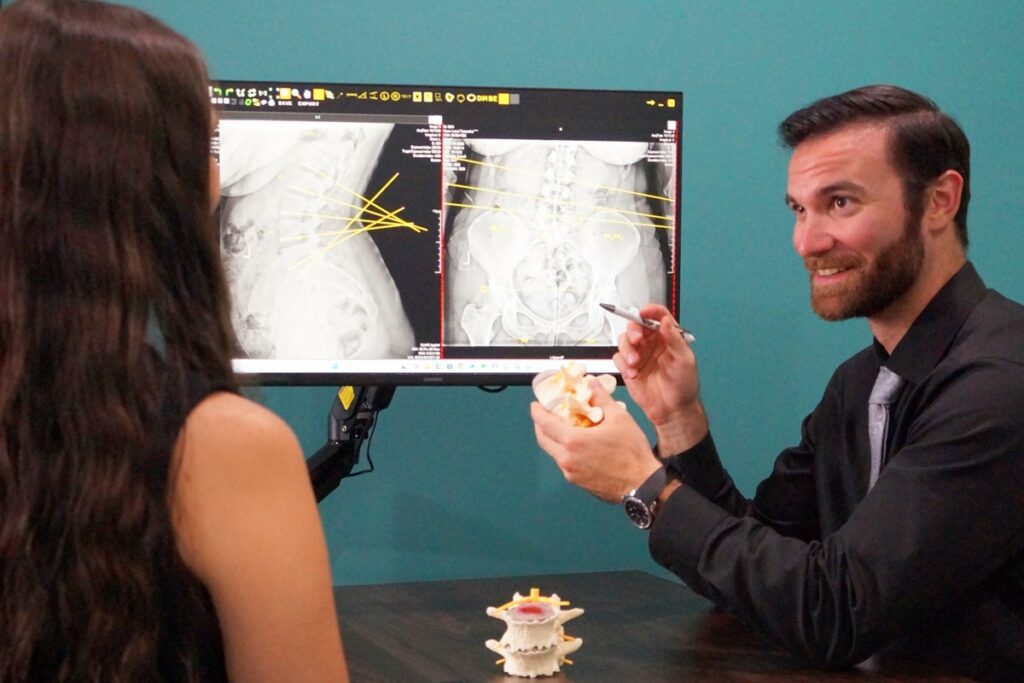
At Impact Chiropractic in St Johns, FL, Dr. Neil Barron takes the time to thoroughly evaluate both the head and neck during an initial assessment. Understanding how these two areas interact is critical to building a care plan that actually addresses the problem at its source rather than simply chasing the symptoms.
Common Causes of Cervicogenic Headaches and Migraines
There’s rarely a single cause behind chronic migraines or recurring neck pain. More often, it’s a combination of structural, lifestyle, and neurological factors working together. Some of the most common contributors include forward head posture, which places tremendous strain on the muscles and joints of the upper cervical spine. For every inch your head shifts forward from a neutral position, the effective weight on your neck significantly increases — a reality that’s especially relevant in an era dominated by smartphones and desk jobs.
Joint restrictions in the upper cervical vertebrae — particularly C1, C2, and C3 — are another frequent culprit. When these joints don’t move the way they should, nearby muscles compensate by tightening up. That muscular tension can compress nerves and blood vessels, creating the kind of environment where headaches and migraines are more likely to develop and persist.
Stress is also a well-recognized trigger. Emotional or physical stress causes people to carry tension in their shoulders, upper back, and neck, which feeds directly into both tension-type headaches and migraine episodes. Poor sleep, dehydration, hormonal fluctuations, and dietary triggers round out the list of common contributors that Dr. Neil Barron and the team at Impact Chiropractic consider when evaluating patients here in St Johns.
Signs and Symptoms to Watch For
Migraines often come with a recognizable pattern, though not everyone experiences them the same way. Classic migraine symptoms include moderate to severe head pain — usually on one side — pulsing or throbbing in quality, sensitivity to light and sound, and nausea. Some people experience an “aura” before the headache begins, which can include visual disturbances, tingling sensations, or temporary changes in speech.
When neck dysfunction is contributing to the picture, you may also notice stiffness or reduced range of motion in your neck, tenderness at the base of your skull, shoulder tension, and pain that worsens with certain neck movements or sustained postures. These signs suggest that the cervical spine deserves some attention alongside whatever other migraine treatments you may be pursuing.
It’s worth noting that not all headaches are the same, and accurate identification matters. Tension headaches, cluster headaches, cervicogenic headaches, and migraines each have distinct characteristics. A thorough evaluation — like the ones conducted at Impact Chiropractic in St Johns, FL — can help clarify what’s actually driving your symptoms so your care can be appropriately tailored.
How Chiropractic Care Can Help
Chiropractic care approaches migraines and neck pain from a root-cause perspective. Rather than reaching for a medication to dull the pain temporarily, the goal is to identify and correct the underlying mechanical issues that are contributing to the problem in the first place. This aligns well with the philosophy at Impact Chiropractic, where Dr. Neil Barron has built a practice around educating patients and treating the whole person — not just their symptoms.
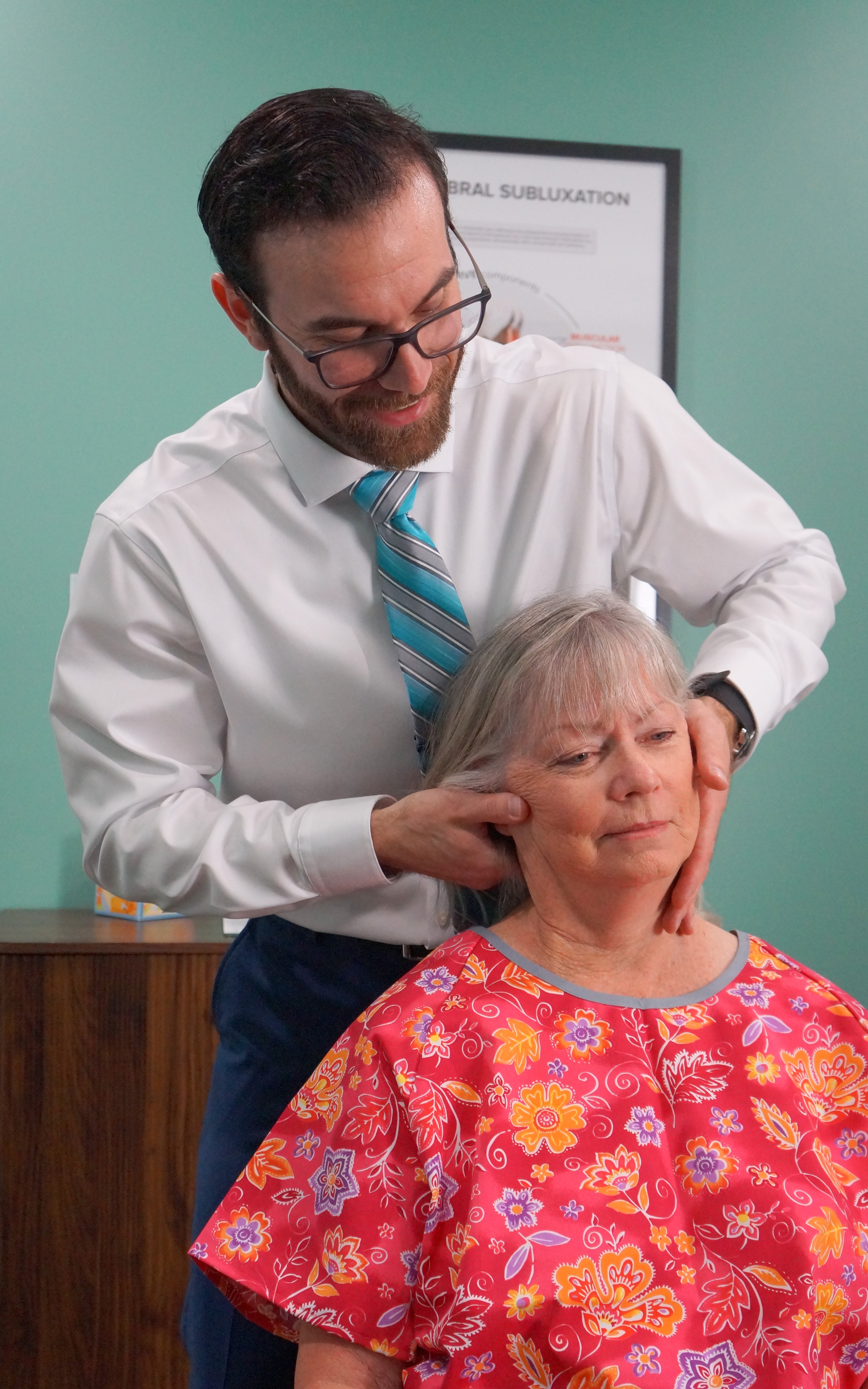
Spinal manipulation — often called a chiropractic adjustment — is one of the primary tools used to address joint restrictions in the cervical spine. Research published through organizations like the Cochrane Library and reviewed by the American Chiropractic Association suggests that spinal manipulation may help reduce the frequency and intensity of migraines in some patients. These results are especially encouraging because they come without the side effects commonly associated with medication-based approaches.
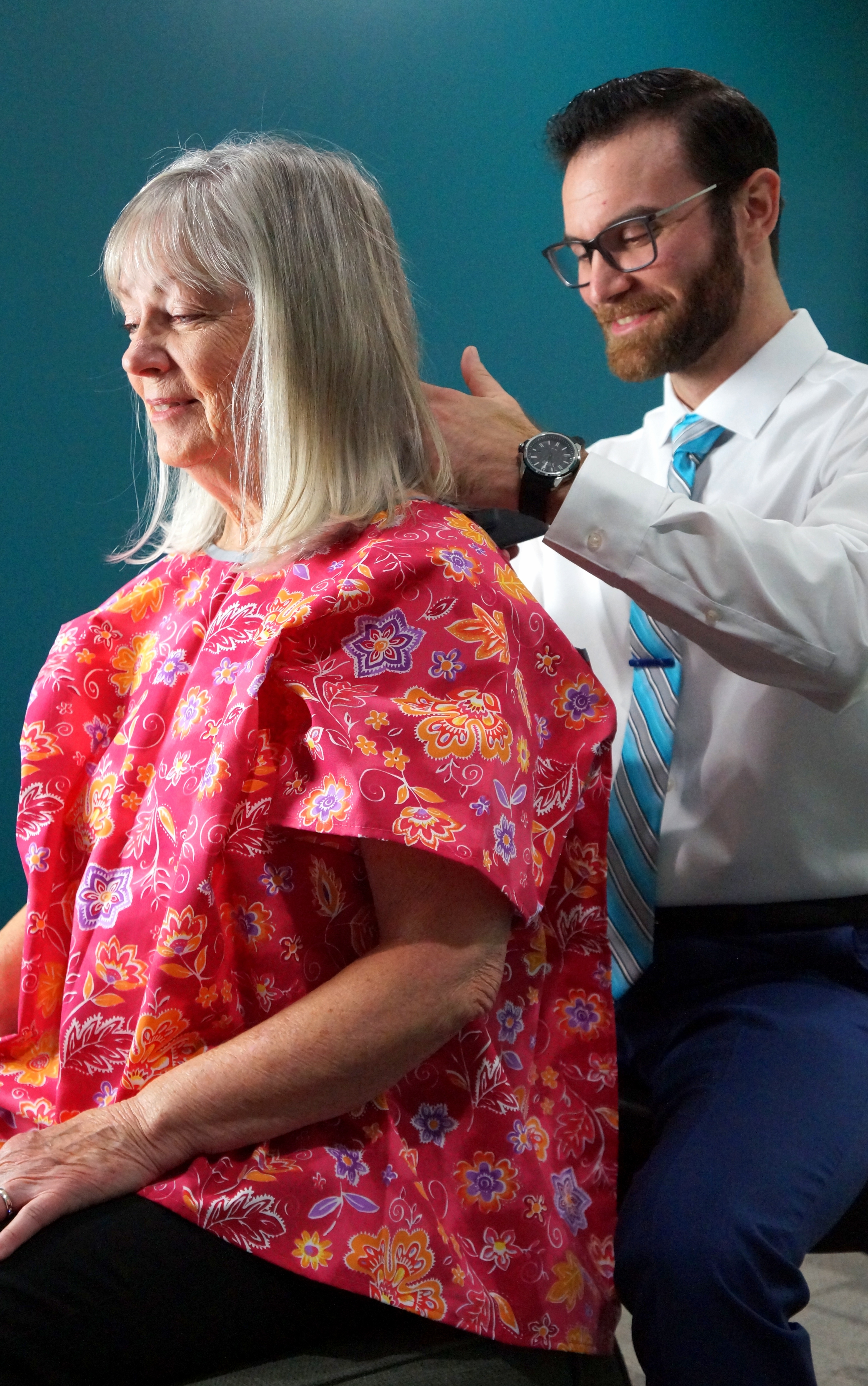
Beyond adjustments, chiropractic care at Impact Chiropractic may include soft tissue therapy to release tight muscles around the neck and shoulders, postural rehabilitation to correct the forward head positioning that contributes to chronic neck tension, and movement guidance to help patients understand how their daily habits are affecting their spine. Dr. Neil Barron takes an education-first approach, making sure every patient understands what’s happening in their body and why the recommended care makes sense for their specific situation.
It’s also worth emphasizing what chiropractic care is not. It is not a cure for migraines. No honest chiropractor will promise that. What it can offer is a drug-free, non-surgical, individualized approach that addresses real structural factors — and for many patients, that makes a meaningful difference in how often they experience migraines and how severe those episodes are when they do occur.
Practical Tips for Managing Migraines and Neck Pain
There’s a lot you can do between chiropractic visits to support your recovery and reduce the likelihood of migraine episodes. Hydration is one of the simplest and most overlooked factors. Even mild dehydration is a known headache trigger, so keeping up with your fluid intake throughout the day is a low-effort, high-impact habit.
Ergonomics matter more than most people realize, especially here in Northeast Florida where so many residents work from home or spend long hours at a desk. Positioning your monitor at eye level, keeping your keyboard at a height that allows your elbows to rest at roughly 90 degrees, and using a chair that supports your lumbar spine can collectively reduce the strain on your neck significantly.
Sleep hygiene also plays an important role. Sleeping on your back or side with a supportive pillow that maintains the natural curve of your cervical spine is generally recommended over stomach sleeping, which forces your neck into prolonged rotation. Taking brief movement breaks every 30 to 45 minutes during prolonged sitting can also help prevent the buildup of muscular tension that often precedes a headache.
Finally, paying attention to your personal migraine triggers — whether that’s certain foods, disrupted sleep schedules, or stress — and keeping a simple headache diary can give you and Dr. Neil Barron valuable information to work with. The more data you have, the better equipped your care team is to develop a plan that genuinely fits your life.
When to See a Chiropractor
Many people wait far longer than they should before seeking care for migraines and neck pain. If you’re experiencing headaches more than two or three times per month, if your neck pain is affecting your ability to work or sleep, or if you’ve been relying on over-the-counter pain relievers regularly just to get through your week, those are all signs that it’s worth getting a professional evaluation.
Chiropractic care is often most effective when it’s not a last resort. Catching and correcting spinal dysfunction early — before it becomes deeply ingrained — tends to produce better outcomes and faster progress. Patients in St Johns and the surrounding communities of Northeast Florida don’t have to wait until they’re in crisis to benefit from chiropractic care.
There are, however, certain red flags that warrant immediate medical attention rather than a chiropractic visit. A sudden, severe headache that feels unlike anything you’ve experienced before (sometimes called a “thunderclap” headache), headache accompanied by fever and stiff neck, neurological symptoms like sudden weakness, vision loss, or confusion, or headache following a head injury should all be evaluated by an emergency physician right away. At Impact Chiropractic, we take patient safety seriously — and part of that means knowing when to refer.
|
Symptom / Situation |
Appropriate Action |
|---|---|
|
Frequent migraines (2-3+ per month) |
Schedule a chiropractic evaluation |
|
Neck stiffness with headache onset |
Chiropractic assessment of cervical spine |
|
Postural neck pain from desk work |
Ergonomic review + chiropractic care |
|
Sudden “thunderclap” headache |
Seek emergency medical care immediately |
|
Headache with fever and stiff neck |
Seek emergency medical care immediately |
|
Headache following head trauma |
Emergency medical evaluation first |
|
Chronic neck pain affecting sleep |
Chiropractic evaluation and care plan |
Myths vs. Facts About Migraines and Chiropractic
Myth: Chiropractic adjustments are too risky for people with migraines.
Fact: When performed by a licensed, trained chiropractor, cervical adjustments are considered a safe and conservative treatment approach for most patients. Dr. Neil Barron conducts a thorough health history and physical examination before any care is recommended, ensuring that treatment is appropriate for each individual patient’s situation.
Myth: Migraines are purely a brain problem that chiropractic can’t touch.
Fact: While migraines do involve complex neurological processes, the cervical spine plays a documented role in headache development through the trigeminal cervical nucleus. Evidence suggests that addressing spinal dysfunction can reduce migraine frequency and intensity for many patients — making the neck a legitimate and important part of migraine management.
Myth: You have to be in severe pain to benefit from chiropractic care.
Fact: Chiropractic care is not only for people in crisis. Many patients at Impact Chiropractic in St Johns, FL come in for maintenance or preventive care — and those who address postural and spinal issues early often experience fewer and less severe headache episodes over time.
Myth: If chiropractic doesn’t fix your migraines immediately, it isn’t working.
Fact: Like most conservative care approaches, chiropractic care typically produces gradual improvement rather than overnight resolution. Spinal dysfunction that has developed over months or years often requires consistent, patient-centered care before the full benefit is realized. Progress is real — it just takes time and commitment.
Myth: Medication is the only effective treatment for migraines.
Fact: Guidelines from organizations like the American College of Physicians and the National Institutes of Health support non-pharmacological approaches — including spinal manipulation — as part of a broader headache management strategy. Medication can have an important role, but it isn’t the only path forward.
Final Thoughts from Impact Chiropractic
Living with chronic migraines and neck pain is exhausting — physically, mentally, and emotionally. It can feel like your body is working against you, and it can be discouraging when you’ve tried treatments that haven’t delivered the relief you were hoping for. That’s something Dr. Neil Barron understands not just clinically, but personally. Impact Chiropractic was founded on the belief that people deserve care that actually looks for the root cause — not just something to get them through the day.
Here in St Johns, FL, the Impact Chiropractic team is committed to being a long-term health partner for individuals and families across Northeast Florida. Whether you’re dealing with your first migraine episode or you’ve been struggling for years, there may be more options available to you than you realize. A thorough evaluation, an honest conversation about what chiropractic can and can’t do, and a care plan built around your real life — that’s what you’ll find here.
You don’t have to keep canceling plans, missing work, or reaching for another pill every time the pain hits. If migraines and neck pain have been controlling your life, we’d encourage you to take the first step and come in for a conversation. Move better. Live fully. Feel like yourself again — that’s what we’re here to help you do.
Frequently Asked Questions
Can chiropractic care actually reduce how often I get migraines?
Research suggests that chiropractic care — particularly spinal manipulation of the cervical spine — may help reduce the frequency and severity of migraines in some patients. Results vary depending on the individual, the underlying causes, and consistency of care. A proper evaluation is the best way to determine whether chiropractic is a good fit for your situation.
How many chiropractic visits will I need before I notice improvement?
This depends on factors like how long you’ve had the problem, the severity of your spinal dysfunction, and your overall health. Some patients notice improvement within a few visits, while others require a longer course of care. Dr. Neil Barron will give you a realistic expectation based on your specific findings.
Is chiropractic care safe if I’m currently taking migraine medication?
Generally, yes — chiropractic care and migraine medications are not mutually exclusive. Dr. Neil Barron will review your full health history and current medications at your initial visit to ensure a safe, coordinated approach to your care.
What’s the difference between a migraine and a cervicogenic headache?
A migraine is a neurological condition with specific diagnostic criteria, often involving one-sided throbbing pain, nausea, and light/sound sensitivity. A cervicogenic headache originates directly from dysfunction in the cervical spine. These conditions can overlap significantly, and a thorough evaluation is needed to distinguish between them accurately.
Do I need a referral to see a chiropractor for migraines?
In most cases, you do not need a physician referral to schedule a chiropractic evaluation. Chiropractors are primary care providers within their scope of practice, meaning you can contact Impact Chiropractic in St Johns, FL directly to set up a consultation.
What should I expect at my first visit to Impact Chiropractic?
Your first visit will typically include a detailed health history review, a physical and neurological assessment, and a discussion of your symptoms and goals. Dr. Neil Barron will explain what he finds and walk you through any recommended care — so you leave informed, not just treated.
TL;DR
-
Migraines and neck pain are often connected through shared nerve pathways in the upper cervical spine, making the neck an important area to evaluate.
-
Common contributors include forward head posture, restricted cervical joints, muscle tension, stress, and lifestyle factors like poor sleep and dehydration.
-
Chiropractic care offers a drug-free, root-cause approach that may help reduce migraine frequency and intensity — but it is not a cure and works best as part of a comprehensive care strategy.
-
Red flags like sudden severe headaches, neurological symptoms, or headaches following head trauma require immediate medical attention, not a chiropractic visit.
-
At Impact Chiropractic in St Johns, FL, Dr. Neil Barron takes an education-first, patient-centered approach to help individuals and families across Northeast Florida move past pain and reclaim their quality of life.