Back Pain Causes: Understanding the Source of Your Discomfort
Back pain has a way of making everything else harder. Getting out of bed, loading the dishwasher, sitting through a meeting, playing with your kids — things that used to feel automatic suddenly require effort, planning, or a quiet grimace. If you’ve been dealing with persistent back pain and you’re not sure where it’s coming from, you’re not alone. Here in St Johns, FL, it’s one of the most common reasons people walk through our doors at Impact Chiropractic. And the good news? Understanding the source of your discomfort is the very first step toward doing something about it.
What causes back pain? Back pain is not a single condition — it’s a symptom that can stem from a wide range of structural, postural, and lifestyle-related factors. In most cases, it involves the muscles, joints, spinal discs, or nerves of the spine working under more stress than they’re built to handle. Identifying the root cause is what makes the difference between short-term relief and long-term recovery.
- How the Spine Works and Why It Matters
- Common Back Pain Causes You Shouldn’t Ignore
- How Posture and Daily Habits Contribute to Back Pain
- How Chiropractic Care Fits Into Back Pain Recovery
- Practical Tips to Support Your Back Every Day
- When to See a Chiropractor for Back Pain
- Back Pain Causes at a Glance
- Myths vs. Facts About Back Pain
- Final Thoughts from Impact Chiropractic
- Frequently Asked Questions
How the Spine Works and Why It Matters
Your spine is a remarkable piece of engineering. It’s made up of 33 vertebrae stacked in a carefully balanced column, cushioned by discs, stabilized by ligaments and muscles, and housing the spinal cord — the central highway of your nervous system. Every movement you make involves the spine in some way, whether you’re bending, sitting, walking, or simply standing upright.
The spine has three natural curves — in the neck, the mid-back, and the lower back — and those curves are there for a reason. They distribute the forces of daily movement efficiently and protect the structures inside. When those curves are disrupted by injury, poor posture, or accumulated stress, the balance breaks down. That’s when pain, stiffness, and nerve irritation can begin.
What’s important to understand is that the lower back — the lumbar spine — carries the most load of any region in the body. It’s also the most common site of back pain. The thoracic spine (mid-back) is more structurally stable but still vulnerable to strain and tension, especially with prolonged sitting. Understanding where your pain is located can offer important clues about what’s going on underneath.
Common Back Pain Causes You Shouldn’t Ignore
Back pain rarely appears out of nowhere, even when it feels that way. Most cases develop gradually over time and then reach a tipping point. Here are some of the most well-established back pain causes that Dr. Neil Barron and the team at Impact Chiropractic see regularly in patients throughout St Johns and Northeast Florida.
Spinal Misalignment (Vertebral Subluxation)
When one or more vertebrae shift out of their proper position, it’s referred to in chiropractic care as a subluxation. This misalignment can place uneven pressure on the surrounding discs, joints, and nerves. Over time, that pressure creates inflammation, restricted movement, and pain — sometimes radiating into the hips, buttocks, or legs. Many patients don’t realize their spine is misaligned until the symptoms become impossible to ignore.
Herniated or Bulging Discs
Between each pair of vertebrae sits an intervertebral disc — a soft, gel-like cushion that absorbs shock and allows movement. When a disc is damaged through injury, repetitive stress, or degenerative changes, it can bulge or herniate outward. If that displaced disc material presses on a nearby nerve root, it can cause sharp, radiating pain, numbness, or tingling that travels down the leg — a pattern many people recognize as sciatica.
Muscle Strains and Ligament Sprains
Sudden movements, lifting heavy objects with poor form, or simply overdoing it on a yard project can strain the muscles and ligaments supporting the spine. This type of back pain is often described as a dull, aching soreness that worsens with movement. While many strains resolve with rest, those that recur or persist may point to an underlying structural issue that deserves attention.
Degenerative Disc Disease
As we age, the discs between our vertebrae naturally lose some of their hydration and elasticity. This gradual wear process — often called degenerative disc disease — can narrow the space between vertebrae, increase joint friction, and contribute to chronic, low-grade back pain. This is not an inevitable life sentence, though. Many people with disc degeneration respond very well to conservative care that supports mobility and reduces inflammation.
Facet Joint Dysfunction
The small joints connecting each vertebra, called facet joints, play a key role in guiding the spine through its range of motion. These joints can become irritated, inflamed, or restricted — especially from poor posture, repetitive movements, or spinal degeneration. Facet joint dysfunction often creates stiffness and localized pain that’s worse in the morning or after prolonged sitting.
Sacroiliac Joint Dysfunction
The sacroiliac (SI) joints connect the base of the spine to the pelvis. When these joints become hypermobile, restricted, or inflamed — from pregnancy, a fall, or uneven loading during physical activity — they can produce deep, one-sided low back pain that’s often mistaken for a disc problem. This is a commonly overlooked back pain cause that chiropractors are specifically trained to identify and address.
How Posture and Daily Habits Contribute to Back Pain
Not all back pain comes from a single identifiable injury. In fact, one of the most common patterns Dr. Neil Barron sees at Impact Chiropractic in St Johns is chronic back pain that developed slowly — the result of compounding postural habits and lifestyle patterns that placed ongoing stress on the spine over months or years.
Prolonged sitting is one of the biggest contributors. Seated posture compresses the lumbar discs, shortens the hip flexors, and gradually rounds the lower spine out of its natural curve. Many of our patients spend eight or more hours a day seated — at a desk, in a car, or on the couch — and their backs reflect that reality. Interestingly, it’s often not the sitting itself that’s the whole problem, but the combination of sitting with poor lumbar support, screen placement that pulls the head forward, and very little movement throughout the day.
Sleep position and mattress quality also play a meaningful role. Sleeping on a surface that doesn’t support the spine’s natural alignment — or in a position that chronically loads one side of the body — can keep the muscles and joints in a state of low-level strain night after night. Over time, that adds up.
Excess body weight, particularly around the midsection, can shift the center of gravity forward and increase the load on the lumbar spine. And while exercise is generally protective against back pain, repetitive high-impact activities without proper recovery or form can accelerate wear on the discs and facet joints.
Stress deserves a mention here too. Psychological stress has a well-documented connection to muscle tension — particularly in the back and shoulders — and evidence suggests that emotional and physical wellbeing are more intertwined than many people expect when it comes to pain perception. This isn’t to minimize the physical reality of back pain. It’s simply a reminder that the whole person matters.
How Chiropractic Care Fits Into Back Pain Recovery
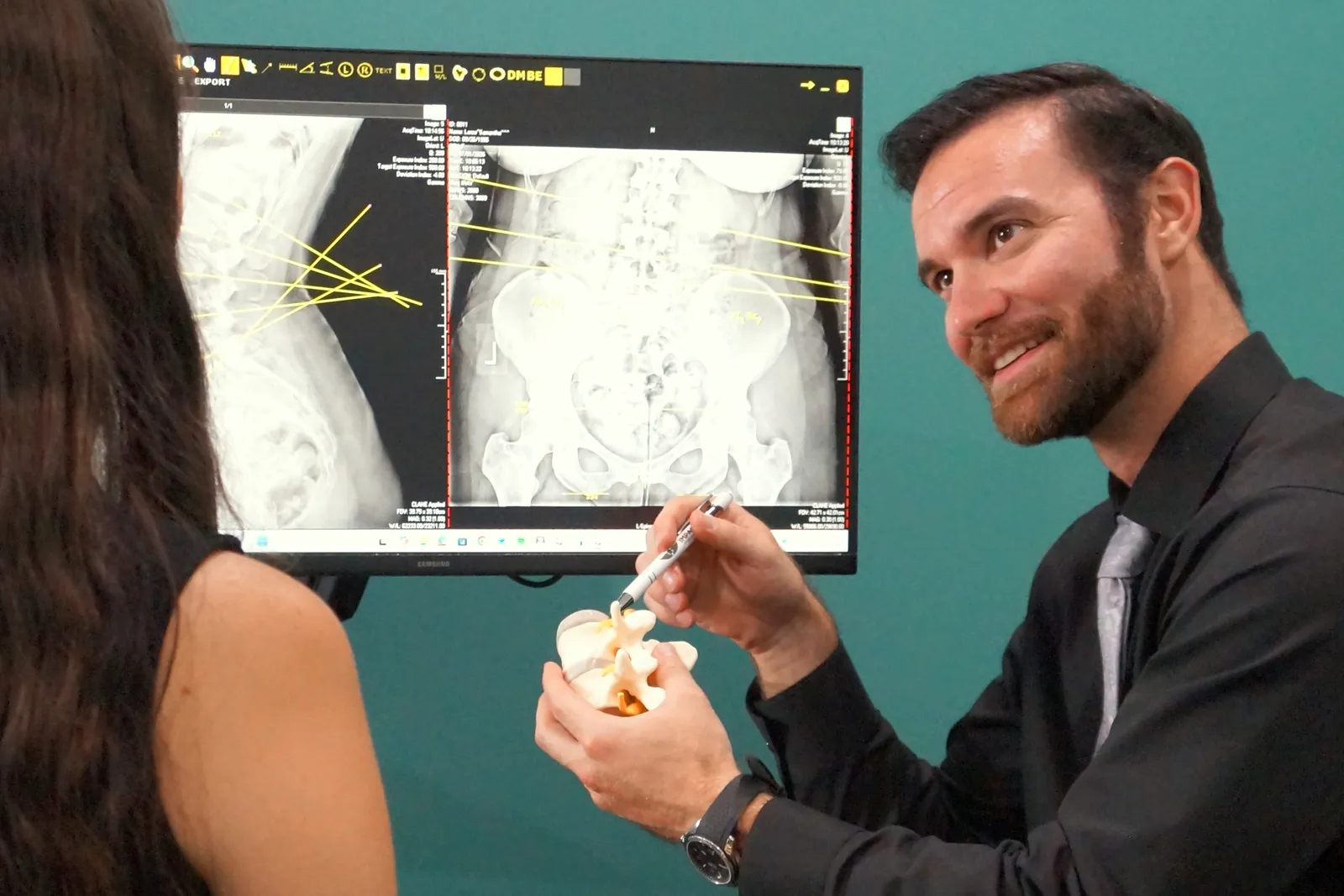
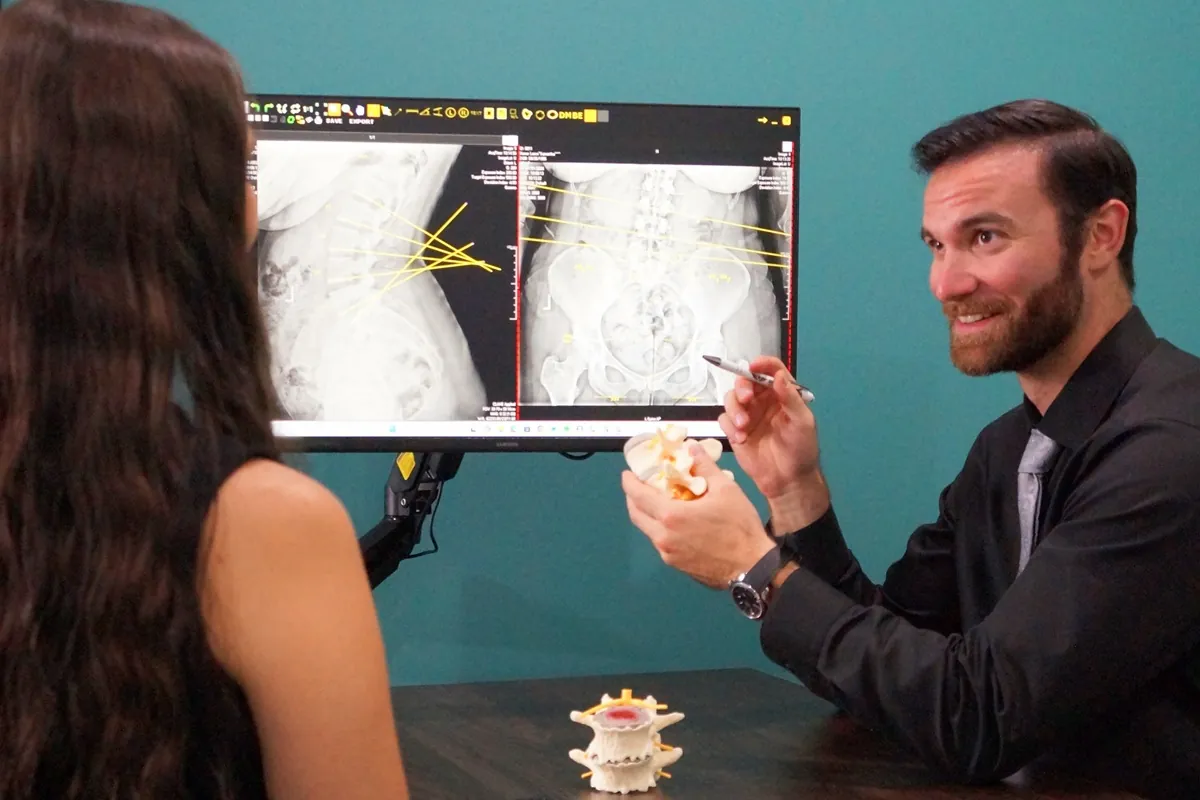
Chiropractic care is a non-surgical, drug-free approach to addressing the musculoskeletal causes of back pain. At Impact Chiropractic in St Johns, FL, Dr. Neil Barron takes an education-first approach — which means your first visit isn’t just about getting adjusted. It’s about understanding what’s happening in your spine, why it’s contributing to your symptoms, and what a realistic path forward looks like for you specifically.
Spinal adjustments — the hands-on technique chiropractors are best known for — restore proper alignment to vertebrae that have shifted out of position. By reducing mechanical stress on the discs, joints, and nerve roots, adjustments allow the body’s natural healing systems to do what they’re designed to do more effectively. Research from organizations like the American College of Physicians and the NCCIH has identified spinal manipulation as one of the recommended first-line approaches for acute and chronic low back pain.
Beyond adjustments, chiropractic care may include soft tissue therapies to address muscle tension, therapeutic exercises tailored to your condition, and guidance on posture, ergonomics, and movement patterns that are contributing to your pain. Care at Impact Chiropractic is never one-size-fits-all. Dr. Neil Barron takes the time to understand your history, your goals, and your life — and builds a care plan around all three.
For patients who have tried pain relievers, rest, or even physical therapy without lasting relief, chiropractic offers something different: a focus on the structural root cause rather than the symptom alone. That approach doesn’t just help you feel better today — it creates the conditions for your body to function and heal more effectively over time.
Practical Tips to Support Your Back Every Day
While professional care makes a significant difference, what you do between appointments matters just as much. Here are some straightforward, sustainable habits that can help reduce back pain causes in your daily life and support your recovery.
First, pay attention to how you sit. If you work at a desk, make sure your chair supports the natural curve of your lower back. Your feet should be flat on the floor, your screen at eye level, and your hips roughly level with your knees. Even a well-set-up workstation won’t protect you if you stay completely still for hours — set a reminder to stand and move for a few minutes every 45 to 60 minutes.
When lifting, lead with your legs — not your back. Squat down, keep the object close to your body, and avoid twisting at the waist while holding weight. This simple shift in mechanics protects your lumbar discs from the kind of acute stress that causes strains and herniations.
Sleep on your side when possible, with a pillow between your knees to keep your hips and spine aligned. If you prefer your back, a pillow under your knees can reduce lumbar strain. Stomach sleeping tends to place the neck and low back in an extended, rotated position for hours at a time — which most spines don’t appreciate.
Gentle movement every day is one of the most protective things you can do for a painful spine. Walking is remarkably effective — it stimulates blood flow to the discs, activates the stabilizing muscles, and helps maintain the joint mobility that back pain tends to erode. You don’t need an intense exercise program. You just need to keep moving.
When to See a Chiropractor for Back Pain
If your back pain has lasted more than a few days, keeps coming back, or is interfering with your sleep, work, or daily activities, it’s worth getting a professional evaluation. Many people wait far longer than they should — hoping the pain will go away on its own — only to find that the underlying issue has had more time to progress.
At Impact Chiropractic, we welcome patients who are in the early stages of back pain as well as those who have been suffering for months or years. Early care often means faster recovery. But even long-standing back pain can respond well to chiropractic when the root cause is properly identified and addressed.
There are, however, certain symptoms that warrant immediate medical attention rather than a chiropractic visit. These include back pain following a significant trauma, back pain accompanied by loss of bladder or bowel control, severe progressive numbness or weakness in the legs, unexplained weight loss, or pain that is constant and unrelenting regardless of position. These can be signs of a more serious underlying condition that requires urgent evaluation. Dr. Neil Barron is committed to making sure every patient gets the right care — and that includes referring out when another provider is better suited to what you’re experiencing.
Back Pain Causes at a Glance
| Back Pain Cause | Common Symptoms | Common Triggers | Chiropractic Relevance |
|---|---|---|---|
| Spinal Misalignment | Local pain, stiffness, nerve irritation | Poor posture, repetitive strain | High — directly addressed with spinal adjustment |
| Herniated / Bulging Disc | Radiating pain, numbness, tingling | Heavy lifting, sudden movement, degeneration | High — conservative care often effective |
| Muscle Strain | Dull ache, soreness, limited movement | Overexertion, awkward lifting | Moderate — soft tissue care and alignment support |
| Degenerative Disc Disease | Chronic low-grade pain, reduced flexibility | Aging, sedentary lifestyle, prior injury | Moderate — mobility support and load management |
| Facet Joint Dysfunction | Morning stiffness, localized pain | Poor posture, degeneration, overuse | High — joint mobilization and spinal care |
| Sacroiliac Joint Dysfunction | One-sided deep low back pain | Pregnancy, uneven loading, falls | High — SI joint evaluation and adjustment |
Myths vs. Facts About Back Pain
Myth: Rest is the best treatment for back pain.
Fact: While a brief period of rest may help with an acute strain, prolonged bed rest has actually been shown to slow recovery. Movement — done appropriately and gradually — helps maintain disc nutrition, reduce stiffness, and restore function. This is one of the most important shifts in thinking that modern spine care has brought to light.
Myth: Back pain always means something is seriously wrong with your spine.
Fact: The vast majority of back pain cases — even severe ones — are mechanical in nature, meaning they involve muscles, joints, and discs under stress rather than disease or structural catastrophe. This doesn’t mean the pain isn’t real or significant. It means that most back pain responds well to conservative, non-invasive care when the root cause is properly identified.
Myth: If you have back pain, surgery is probably in your future.
Fact: Surgery for back pain is appropriate in a relatively small percentage of cases, typically when there is significant nerve compression, structural instability, or failure to respond to conservative treatment over time. Many people who come to Impact Chiropractic in St Johns believing surgery is inevitable find that their symptoms respond well to spinal care — without going near an operating room.
Myth: Back pain is just part of getting older — there’s nothing you can do about it.
Fact: While some degree of spinal degeneration is a natural part of aging, chronic pain is not something you simply have to accept. Maintaining spinal mobility, addressing structural imbalances early, and supporting the musculoskeletal system through conservative care can significantly reduce the impact of age-related changes on your quality of life.
Myth: Chiropractic adjustments are only for the back.
Fact: Chiropractic care addresses the entire musculoskeletal system, including the neck, hips, shoulders, knees, and more. And because the spine houses the nervous system, spinal health has wide-ranging implications for how your whole body functions — not just how your back feels.
Final Thoughts from Impact Chiropractic
Back pain has a way of quietly shrinking your world. Activities you used to enjoy feel risky. Sleep becomes a nightly negotiation. And somewhere along the way, you start wondering if this is just who you are now. At Impact Chiropractic, we hear that story often — and we want you to know there’s usually a reason your back hurts, and often something very real that can be done about it.
Dr. Neil Barron founded Impact Chiropractic not just on clinical training, but on a personal understanding of what it means to find genuine relief through natural, root-cause care. That lived experience shapes every patient interaction at our practice in St Johns, FL. When you come in, you won’t be rushed through a one-size-fits-all appointment. You’ll be listened to, evaluated thoroughly, and given real answers about what’s happening in your spine and why.
Whether your back pain just started or has been with you for years, it’s worth understanding its source. The community here in St Johns deserves access to honest, compassionate, evidence-informed care — and that’s exactly what we’re here to provide. If you’re ready to stop guessing and start understanding your back pain, we’d be glad to be part of your path forward.
Move Better. Live Fully. Feel Like Yourself Again.
Book Your Appointment with Impact Chiropractic in St Johns, FL and take the first step toward understanding — and addressing — the real source of your back pain.
Frequently Asked Questions
What are the most common back pain causes in adults?
The most common causes include spinal misalignment, herniated or bulging discs, muscle strains, facet joint dysfunction, and sacroiliac joint problems. Lifestyle factors like prolonged sitting, poor posture, and repetitive physical activity are often contributing factors. A thorough chiropractic evaluation can help identify which cause or combination of causes is relevant for you.
Can a chiropractor help with lower back pain?
Yes. Chiropractic care is widely recognized as an effective conservative approach for lower back pain, and organizations like the American College of Physicians include spinal manipulation in their guidelines for both acute and chronic low back pain. At Impact Chiropractic in St Johns, Dr. Neil Barron assesses the structural root cause of your pain and builds a care plan based on what your body specifically needs.
How do I know if my back pain is muscular or disc-related?
Muscular back pain is typically felt as a dull, localized ache that worsens with movement and improves with rest. Disc-related pain often radiates down the leg, may include numbness or tingling, and can be more intense in certain positions. A proper examination — including a postural and neurological assessment — is the most reliable way to distinguish between the two.
How long does it take for chiropractic care to help back pain?
Response time varies depending on how long the problem has been present, the specific cause, and individual health factors. Some patients notice meaningful improvement within a few visits, while others with more chronic or complex presentations may require a longer course of care. Dr. Neil Barron will discuss realistic expectations with you based on your specific findings.
Is it normal for back pain to come and go?
Yes — recurring back pain that flares up and subsides is very common and often indicates an underlying structural issue that hasn’t been fully resolved. If your back pain keeps coming back, it’s worth having a thorough evaluation to identify whether spinal misalignment, disc dysfunction, or joint restriction is at the root of the pattern.
When is back pain an emergency?
Back pain that follows major trauma, is accompanied by loss of bladder or bowel control, includes progressive leg weakness or numbness, or is associated with fever and unexplained weight loss should be evaluated in an emergency setting right away. These symptoms can indicate serious conditions that require immediate medical intervention rather than chiropractic care.
TL;DR
- Back pain is a symptom with many possible causes — including spinal misalignment, disc problems, muscle strain, joint dysfunction, and lifestyle habits — and identifying the root cause is essential for lasting relief.
- Prolonged sitting, poor posture, and repetitive physical stress are among the most common contributors to chronic back pain, even without a specific injury.
- Chiropractic care is a non-invasive, drug-free approach that addresses the structural causes of back pain and is supported by major clinical guidelines as a first-line option for both acute and chronic cases.
- Most back pain is mechanical and responds well to conservative care — surgery is appropriate in only a small subset of cases.
- If your back pain is persistent, recurring, or limiting your daily life, Impact Chiropractic in St Johns, FL is here to help you understand what’s happening and what can be done about it.

Dr. Neil Barron was a three-sport letterman in high school, where the physical demands of athletics often led to recurring lower back issues. During long conditioning sessions involving running and sprints, he frequently experienced diminished sensation in his legs and numbness in his feet. Concerned, his parents sought medical advice, which led to physical therapy. Dr. Barron committed fully to the prescribed care plan, diligently completing every exercise and recommendation, yet experienced little relief.