Prenatal and Pediatric Chiropractic Care in St Johns: What I Learned at the First Adjustment Seminar
By Dr. Neil Barron, DC | Impact Chiropractic, St Johns, FL
If you have been wondering whether a pediatric chiropractor in St Johns, FL can safely care for your newborn, your toddler, or your pregnant partner, you are not alone. That question comes up almost every week in our practice. I want to share something personal that I think will help answer it directly and honestly.
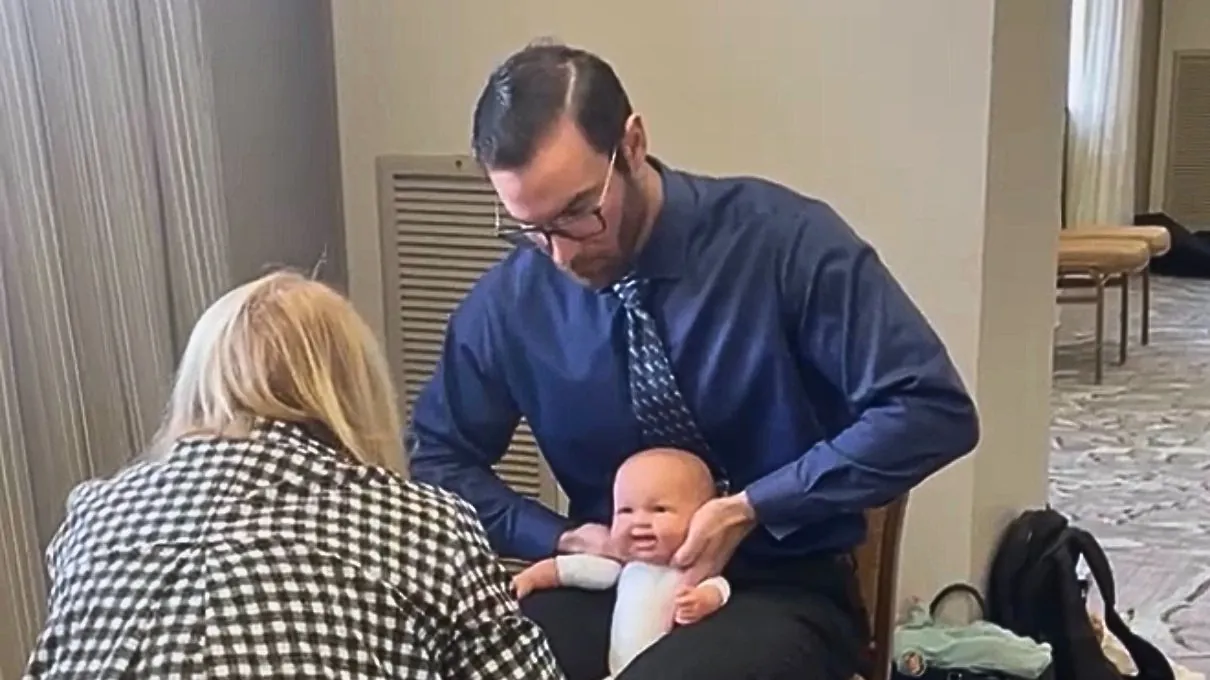
Recently, I traveled to attend the First Adjustment seminar, part of the Family Wellness collection taught by Dr. Claudia Anrig. The experience deepened my hands-on skills in a way that I am genuinely excited to bring back to every family we serve at Impact Chiropractic here in St Johns.
Plain Language Summary
This article explains what Dr. Neil Barron learned at the First Adjustment seminar, a pediatric chiropractic training taught by Dr. Claudia Anrig. It covers how chiropractic care is adapted for pregnant patients and children, including newborns, and what families in St Johns can expect from a visit at Impact Chiropractic.
- Why This Seminar, and Why Now
- Who Is Dr. Claudia Anrig
- Chiropractic Care During Pregnancy: The Webster Technique
- Chiropractic Care for Children and Newborns
- The Question I Hear Most: Is the Force the Same
- What Is Changing at Impact Chiropractic
- What Families Should Know Before a First Visit
- When to Consider Chiropractic Care for Your Family
- Myths vs. Facts About Pediatric and Prenatal Chiropractic
- Final Thoughts From Dr. Barron
- Frequently Asked Questions
- TL;DR Summary
Why This Seminar, and Why Now
My wife and I are expecting our daughter. As the due date has gotten closer, I found myself in an interesting position. I had a general understanding of how to care for newborns and pregnant patients, but I wanted something more. I wanted the specific, refined, hands-on skill to care for my own child from her very first days of life.
That personal motivation led me straight to the First Adjustment seminar. Dr. Claudia Anrig’s reputation in the pediatric chiropractic world is well established, and I knew this was the right place to build those skills the right way. What I did not anticipate was how much of what I learned would immediately sharpen the care I offer to every family here in St Johns, not just my own.
The seminar is part of the ICPA Family Wellness collection, a structured coursework pathway that builds toward the Diplomate in pediatric chiropractic offered through the International Chiropractic Pediatric Association. I completed the coursework and earned the First Adjustment certificate. I am proud of that credential, and I want to be transparent: it is one meaningful step in an ongoing educational journey, not the final destination.
Who Is Dr. Claudia Anrig
It would be difficult to overstate Dr. Claudia Anrig’s contributions to the field of pediatric chiropractic. She is the co-editor of the Pediatric Chiropractic textbook, one of the foundational academic resources in the profession. She co-founded the ICPA certificate program alongside Dr. Larry Webster, the same program that later developed into the full Diplomate in pediatric chiropractic. She has served as past president of the International Chiropractic Pediatric Association.
She also developed the advanced Webster protocol used in the care of pregnant patients presenting with breech, transverse, and face-brow positions. That work alone has had a meaningful impact on how chiropractors support expectant mothers.
Learning from someone with that depth of experience is not something I took lightly. Every clinical detail in the room carried real weight, and I left with a much more refined understanding of how to apply these techniques correctly and confidently.
Chiropractic Care During Pregnancy: The Webster Technique
Here in St Johns, I have cared for many pregnant patients over the years. Pregnancy places significant demands on a woman’s body, particularly through the pelvis and lower spine. As the baby grows and the center of gravity shifts, tension can build through the pelvic muscles and ligaments in ways that become genuinely uncomfortable.
The Webster Technique is a specific chiropractic analysis and adjustment focused on the sacrum and the surrounding pelvic structures. The goal is to ease tension through the pelvis and support balance as the body changes throughout pregnancy. Soft tissue release around the pelvis is an important part of the process as well.
I want to be clear about what this technique is and what it is not. The Webster Technique works with the mother’s body: her sacrum, her pelvic alignment, her surrounding soft tissue. It does not attempt to turn, move, or reposition the baby. It is a gentle, well-established approach to supporting a more comfortable pregnancy through chiropractic care.
One of the most valuable things I came away from the seminar with was a more refined, precise application of the Webster Technique, including the advanced protocol that Dr. Anrig developed. That level of specificity matters when you are working with someone who is pregnant.
Chiropractic Care for Children and Newborns
At Impact Chiropractic, we have always described ourselves as a family practice, caring for patients from their first breath to their last. That is not marketing language. It reflects a genuine commitment to serving people at every stage of life, including the very youngest ones.
Caring for a newborn or a young child is a different clinical experience than caring for an adult. The seminar gave me a much clearer framework for how to approach that difference with confidence.
The examination of a young patient includes an assessment of primitive reflexes as part of a full neurological evaluation. These reflexes are early developmental responses that show how a young nervous system is organizing and developing. Assessing them gives us a more complete picture of the child as a whole person, not just a spine in need of an adjustment.
The adjustment itself still follows the Gonstead method of analysis, which I use with all of my patients. Gonstead is a thorough, structured approach to identifying areas of the spine that may benefit from care. The difference with children is not the quality of the analysis. It is the touch. A pediatric adjustment is genuinely gentle, specifically adapted to the size, development, and tissue sensitivity of a young body. More on that in just a moment.
The Question I Hear Most: Is the Force the Same
Almost every parent who brings a child in for the first time asks some version of the same question: “You’re not going to adjust my baby the same way you adjust me, right?”
The answer is no. Absolutely not.
The examination stays just as thorough. The attention to detail does not decrease simply because the patient is small. But the touch is adapted completely. For a newborn, the pressure used is very light, often compared to the gentle pressure you might use to test the ripeness of a piece of fruit. The body of a young child is developing, responsive, and does not require the same kind of force that an adult spine may need after years of accumulated tension and wear.
The seminar helped me refine my sensitivity in applying that kind of care, and it reinforced something I already believed: thoroughness and gentleness are not opposites. You can be both precise and soft at the same time.
What Is Changing at Impact Chiropractic
Every time I invest in continuing education, something in the practice sharpens. This seminar was no different.
The most immediate change is a more refined application of the Webster Technique for my pregnant patients. The seminar gave me a clearer understanding of the correct sequencing, hand placement, and soft tissue components of the technique. That precision matters, and I am grateful to bring it back to the families we serve in St Johns and across Northeast Florida.
The second thing that is changing is my personal investment in this area. Expecting a child of my own has given me a level of motivation that goes beyond professional development. I intend to continue building along the ICPA Family Wellness pathway. The First Adjustment seminar is one step, and there are more steps ahead.
For the families at Impact Chiropractic, what that means in practice is a chiropractor who is genuinely committed to being excellent at this, not just competent.
What Families Should Know Before a First Visit
If you are considering bringing a child or a pregnant family member to a pediatric chiropractor in St Johns, FL, here is what you can expect from a visit at Impact Chiropractic.
First, the conversation comes before anything else. We ask questions, we listen, and we take time to understand what is going on with your child or your pregnancy before any examination begins. An informed parent is always part of the process.
Second, the examination is thorough and age-appropriate. For young children, that includes an assessment of how the nervous system is developing through primitive reflex evaluation, combined with the Gonstead spinal analysis. Nothing happens without explanation.
Third, any care provided is adapted to the patient in front of us. A newborn does not receive the same adjustment as a teenager, and a teenager does not receive the same adjustment as a 45-year-old. The technique is always calibrated to the individual.
Finally, we welcome your questions, including the tough ones. If you have concerns about safety, technique, or what chiropractic care can and cannot do for your family, please ask them. That is what we are here for.
When to Consider Chiropractic Care for Your Family
Families in St Johns often ask when it makes sense to bring a child in for a chiropractic evaluation. There is no single right answer, but there are some common situations worth considering.
Some parents bring newborns in shortly after birth, particularly after a long or physically demanding delivery. Others come in when a child is having difficulty with nursing, sleep, or general comfort. Older children are often brought in after a fall, a sports injury, or when parents notice changes in posture or movement.
Pregnant patients often find that chiropractic support is most helpful during the second and third trimesters, when the physical demands of pregnancy are at their peak. Many patients continue care through the final weeks of pregnancy.
There are also situations where chiropractic care is not the appropriate first response. Signs of illness, high fever, neurological changes that appear sudden or severe, and any situation where a child seems acutely unwell warrant immediate medical attention. At Impact Chiropractic, we are always willing to refer when another type of care is the right fit. Your family’s wellbeing is always the priority.
| Patient Type | Primary Focus of Care | Technique Approach | Examination Includes |
|---|---|---|---|
| Pregnant Patients | Sacral balance, pelvic tension, soft tissue release | Webster Technique | Pelvic analysis, postural assessment |
| Newborns | Gentle spinal evaluation, nervous system support | Very light touch, adapted Gonstead analysis | Primitive reflex assessment, spinal evaluation |
| Infants and Toddlers | Developmental support, spinal alignment | Light, adapted Gonstead analysis | Reflex evaluation, movement observation |
| School-Age Children | Posture, spinal health, activity-related complaints | Modified Gonstead analysis | Postural screening, spinal assessment |
| Teens and Adolescents | Spinal development, sports care, posture | Standard Gonstead analysis, adapted force | Full spinal and postural evaluation |
Myths vs. Facts About Pediatric and Prenatal Chiropractic
Myth: Chiropractors use the same adjustment on babies as they do on adults.
Fact: The examination is equally thorough, but the adjustment is completely different. For newborns and young children, the touch is very light and specifically adapted to the size and developmental stage of the child. No adult-level force is ever applied to a young spine.
Myth: The Webster Technique moves or turns the baby.
Fact: The Webster Technique works with the mother’s body, specifically the sacrum, pelvis, and surrounding soft tissue. It does not directly move or reposition the baby. The goal is to ease tension in the pelvic region and support balance through the physical changes of pregnancy.
Myth: Children do not need chiropractic care because their spines are young and healthy.
Fact: A young spine is still subject to the physical demands of growth, activity, falls, and daily movement. Chiropractic evaluation during childhood is a proactive, wellness-oriented approach to supporting healthy development, not a response reserved only for pain or injury.
Myth: Pediatric chiropractic care is not backed by any formal training or credentials.
Fact: The International Chiropractic Pediatric Association offers a structured education pathway, including certificates and the Diplomate program, specifically focused on pediatric and prenatal care. Dr. Barron has earned the First Adjustment certificate through the ICPA Family Wellness collection and continues to build on that foundation.
Myth: It is best to wait until a child is older before starting chiropractic care.
Fact: There is no minimum age for a chiropractic evaluation. The technique is always adapted to the individual patient. Many chiropractors who specialize in pediatric care see newborns within their first days and weeks of life, with an approach specifically designed for that stage of development.
Final Thoughts From Dr. Barron
There is something that happens when professional development becomes personal. Preparing to welcome my daughter into the world gave this seminar a different kind of weight. I was not just learning for my patients. I was learning for my own family, which in a way made the responsibility feel even clearer.
Here in St Johns, I get the privilege of caring for families at every stage of life. Pregnant moms in their third trimester. Newborns just days old. Kids who play travel baseball and teenagers who spend too many hours bent over a screen. That range is something I genuinely love about what we do at Impact Chiropractic.
If you have been looking for a pediatric chiropractor in St Johns, FL, one who takes this area of care seriously and continues to invest in it, I hope this article gives you a clear picture of what we offer and how we approach it. We would love to meet your family and answer any questions you have in person.
Move Better. Live Fully. Feel Like Yourself Again.
Dr. Neil Barron, DC
Impact Chiropractic, St Johns, FL
Frequently Asked Questions
Is chiropractic care safe for newborns?
When performed by a trained chiropractor using pediatric-specific techniques, chiropractic evaluation and care for newborns is gentle and adapted to the infant’s size and development. The touch used for newborns is very light, and the examination is thorough and age-appropriate. Any care is always explained to parents beforehand.
What is the Webster Technique and how does it help during pregnancy?
The Webster Technique is a specific chiropractic analysis and adjustment focused on the sacrum and surrounding pelvic structures. The goal is to ease tension through the pelvis and support balance as the body changes during pregnancy. It works with the mother’s body and does not reposition the baby.
How is a pediatric chiropractic adjustment different from an adult adjustment?
The analysis remains thorough, but the hands-on technique is completely adapted to the child. For newborns, the pressure is very light. As children grow, the approach is progressively adjusted. No adult-level force is used on a young patient at any age.
What is the First Adjustment seminar and what does that certificate mean?
The First Adjustment seminar is part of the ICPA Family Wellness collection, a structured educational pathway focused on prenatal and pediatric chiropractic care. Dr. Barron earned the First Adjustment certificate through that program. It is one credential within the ICPA coursework that builds toward their Diplomate in pediatric chiropractic.
At what age can a child start seeing a chiropractor?
There is no minimum age. Chiropractors trained in pediatric care can evaluate children from the newborn stage onward. The technique is always adapted to the patient’s age and developmental stage. Many families choose to bring children in early as part of a proactive wellness approach.
Does Impact Chiropractic in St Johns see pregnant patients?
Yes. Prenatal chiropractic care, including the Webster Technique, is part of what we offer at Impact Chiropractic. Many pregnant patients in St Johns find chiropractic support helpful during the second and third trimesters as their body adapts to the physical changes of pregnancy.
TL;DR Summary
- Dr. Neil Barron attended the First Adjustment seminar, part of the ICPA Family Wellness collection, taught by renowned pediatric chiropractic expert Dr. Claudia Anrig, and earned his First Adjustment certificate.
- Prenatal chiropractic care at Impact Chiropractic focuses on the Webster Technique, easing pelvic tension and supporting balance during pregnancy. It does not reposition the baby.
- Pediatric adjustments are thoroughly analyzed using the Gonstead method but use very light, adapted pressure. Examination includes primitive reflex assessment to evaluate nervous system development.
- The most common parent question is whether babies receive the same force as adults. The answer is no. The examination is equally thorough; the touch is completely adapted to the young patient.
- Impact Chiropractic in St Johns, FL is a family practice caring for patients from newborns to older adults. If you are looking for a pediatric chiropractor in St Johns, FL, we welcome your questions and your family.

Dr. Neil Barron was a three-sport letterman in high school, where the physical demands of athletics often led to recurring lower back issues. During long conditioning sessions involving running and sprints, he frequently experienced diminished sensation in his legs and numbness in his feet. Concerned, his parents sought medical advice, which led to physical therapy. Dr. Barron committed fully to the prescribed care plan, diligently completing every exercise and recommendation, yet experienced little relief.